Cessna Nose Gear Strut Assembly: Aircraft Landing Gear Support and Shock Absorption
Cessna Nose Gear Strut Assembly: Aircraft Landing Gear Support and Shock Absorption
Blog Article
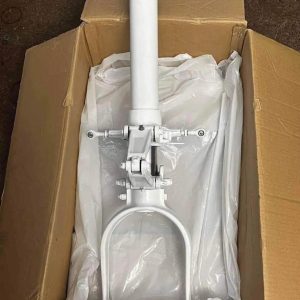
The Cessna Nose Gear Strut Assembly may serve as a replacement, overhaul, restoration, maintenance, or spare-inventory component when its exact part number, configuration, condition, and applicability are confirmed.
Whether buyers search for a Cessna Nose Landing Gear Strut, Cessna Nose Gear Assembly, Cessna Landing Gear Strut, or Cessna Nose Strut, exact part identification should guide the purchase.
Clear descriptions help buyers determine whether the listing includes a complete assembly, partial strut, housing, piston, fork, or related hardware.
A Cessna Nose Gear Shock Absorber may use fluid, gas pressure, mechanical movement, or another model-specific arrangement to manage landing and taxi loads.
General Aviation Landing Gear Parts listings should provide exact identification, condition, measurements, records, and included components for professional evaluation.
Key Details of an Aircraft Nose Strut
The seller should provide clear photographs of the cylinder, piston, fork, steering features, mounting points, torque links, hardware, and identification markings.
Missing components can significantly affect total project cost and installation planning.
How the Nose Gear Supports the Airframe
During taxiing, braking, turning, landing rollout, towing, and movement across surface irregularities, the assembly can experience vertical, lateral, and torsional forces.
Any evidence of previous impact should be disclosed and investigated.
Maintaining Controlled Compression
A strut that appears fully extended may still contain internal wear, incorrect pressure, or unsuitable fluid quantity.
Excessive compression, insufficient extension, rapid rebound, leakage, sticking, or uneven movement can indicate servicing, seal, internal-surface, alignment, or load concerns.
Evaluating Ground Steering Geometry
Each component should move smoothly and remain free from get more info excessive play, binding, distortion, corrosion, and unsuitable modification.
The buyer should inspect torque links, attachment bolts, bushings, bearings, and pivot points for looseness or wear.
Selecting the Correct Replacement Nose Gear
The buyer should compare the offered unit with current illustrated-parts, maintenance, and installation information.
The donor aircraft may provide useful history but does not independently establish eligibility for another aircraft.
Protecting Smooth Strut Operation
Sliding and sealing surfaces must remain within acceptable condition because defects can damage seals and contribute to leakage or sticking.
Unauthorized grinding, plating, machining, or surface repair should be disclosed.
Evaluating Hydraulic Fluid Loss
Fluid leakage around the piston, seals, fittings, plugs, or servicing points can indicate deteriorated seals, damaged surfaces, loose components, contamination, or incorrect assembly.
Professional service supports reliable shock absorption and reduced maintenance recurrence.
Maintaining Protective Finishes
Corrosion may develop on external surfaces, inside bores, around fasteners, beneath paint, near mounting points, or within neglected fluid areas.
Protective coatings should be checked for chips, lifting, abrasion, bubbling, poor adhesion, and incompatible refinishing.
Checking for Hard-Landing or Towing Damage
The absence of obvious damage in photographs does not establish structural integrity.
Transparent impact history supports informed Cessna Front Landing Gear Assembly purchasing.
Inspecting the Cessna Nose Wheel Strut
The axle should remain dimensionally suitable, smooth, correctly secured, and free from severe wear or thread damage.
Professional assembly supports dependable Cessna Nose Wheel Strut performance.
Preventing Nose Gear Shimmy
Bushings, bolts, washers, bearings, and attachment holes should be inspected for wear, elongation, corrosion, looseness, and inadequate lubrication.
Improperly installed bushings, unsuitable bolts, missing washers, or altered holes can affect steering and strut movement.
Shimmy, Vibration, and Uneven Tire Wear
Accurate diagnosis reduces unnecessary parts replacement.
A new tire can mask but not correct underlying geometry problems.
Servicing the Cessna Shock Strut
Incorrect fluid, contamination, trapped air, overpressure, or underpressure can affect extension, damping, leakage, ground clearance, and structural loading.
The aircraft should be positioned and supported safely before servicing or disassembling the nose gear.
Evaluating Internal and External Components
Parts replaced, measurements taken, defects found, and repairs completed should be documented.
A professionally overhauled unit should remain connected with the correct part and serial information.
Cessna Front Gear Condition Review
Detailed review reduces unsuitable purchases and unexpected overhaul costs.
- Resolve identity, applicability, condition, and package-completeness questions before payment.
- Do not treat clean paint, smooth movement, or a removed-serviceable statement as proof of current installation eligibility.
- Inspect and photograph the assembly immediately after delivery before cleaning, servicing, disassembling, repairing, painting, or installing it.
Preventing Damage to the Piston and Fork
Professional packaging helps preserve the condition of the Aircraft Nose Gear Strut.
Forks and mounting features should not be used as uncontrolled lifting points unless approved for handling.
Preparing a Stored Assembly for Service
The piston surface should remain covered without using materials that promote corrosion or seal deterioration.
Preservation materials should be removed through appropriate procedures.
Installing the Cessna Front Landing Gear Assembly
Surrounding structure should be inspected for cracks, corrosion, deformation, worn holes, and previous repair before installing the replacement assembly.
The strut should align correctly with the aircraft structure, steering system, wheel, fork, and torque links without binding or abnormal side loading.
Any abnormal indication should receive prompt evaluation before further operation.
Caring for the Strut, Fork, and Steering System
Lubrication and servicing should follow the applicable maintenance schedule.
Pilots and operators should report steering changes, unusual compression, leakage, vibration, or tire wear promptly.
Evaluating Used Aircraft Gear Pricing
A recent professional inspection or overhaul can add value when the scope, findings, measurements, and replaced parts are documented accurately.
Commercial evaluation should focus on verified suitability rather than promotional claims.
Selecting General Aviation Landing Gear Parts
When thoroughly evaluated and correctly installed, the Cessna Nose Gear Strut Assembly can become a valuable component within the aircraft’s complete landing-gear system.
The unit should not be judged solely through clean paint, smooth compression, removed-serviceable wording, or purchase price.
Whether maintenance teams are sourcing a Cessna Steering Strut Assembly, Cessna Replacement Nose Gear, or General Aviation Landing Gear Parts, professional inspection and installation should precede operational use.
With verified identity, suitable structural condition, correct aircraft applicability, professional servicing, disciplined installation, and routine inspection, the assembly can provide dependable long-term value.
Report this page